Why Solar Installations Alone Won’t Solve Africa’s Energy Problem
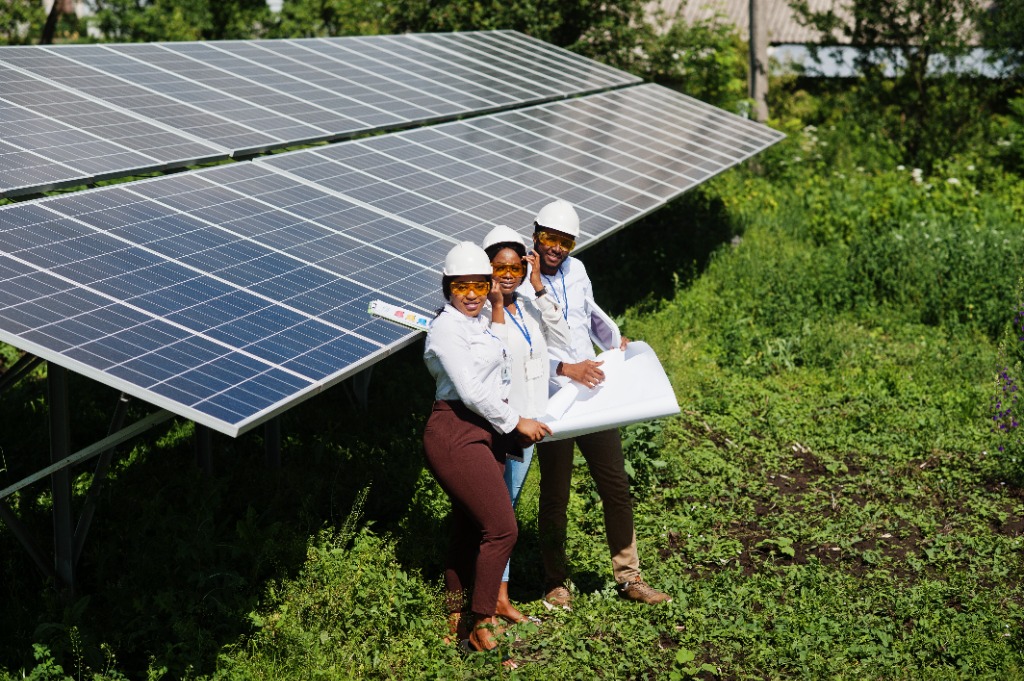
The rapid reduction in global solar photovoltaic (PV) component costs has led many to believe that installing solar panels on rooftops is all it takes to fix Africa's power challenges.
In practice, that is rarely enough. Across commercial districts, standalone solar installations frequently fall short of expectations, leaving businesses dependent on diesel generators. The reason is simple: generating clean electricity is only one element of a complex energy challenge.
The Limits of Generation-Only Systems
Solar panels generate power exclusively while the sun shines. Commercial operations, however, need steady electricity during evening hours, production surges, and overcast periods.
Without industrial-grade battery storage, remote performance monitoring, and properly structured financing, an unmonitored solar setup can quickly become an operational headache. Systems risk early inverter failures, damaged battery cells from improper charging, or sudden blackouts when startup loads surge beyond system capacity.
The Complete Energy Model
Achieving reliable power requires a unified, modern infrastructure model:
- Engineered Storage: Using robust lithium iron phosphate (LiFePO4) storage ensures systems can handle demanding commercial loads when sunlight is unavailable.
- Digital Telemetry & IoT: Connected hardware provides constant visibility into system health, allowing teams to resolve minor variations before they cause outages.
- Structured Asset Financing: High-quality equipment requires capital. Flexible financing arrangements turn high upfront expenses into practical, predictable monthly operating costs.
Africa does not just need more solar panels bolted onto roofs. It needs connected, resilient energy systems engineered for dependable long-term operations.
Discuss Distributed Energy Financing
Explore how Oriel Nexus collaborates with your institution to de-risk clean energy investments.
Connect with Partnerships Team →